
The Decision Has Been Made.
Stay up to date with DERT’s monthly newsletter and blog!



Who We Are
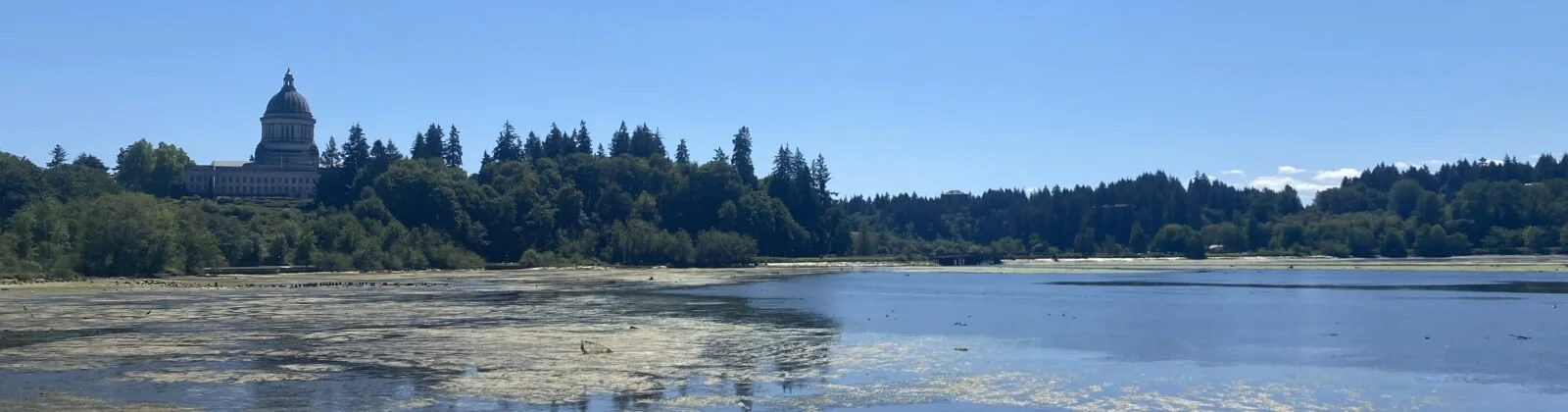
In 1951 the Deschutes River in Olympia was dammed to create the reflecting pool and sediment reservoir we know today as Capitol Lake. This created a myriad of environmental and public health issues, and the culturally and ecologically significant Deschutes Estuary has ceased to exist since. The Deschutes Estuary Restoration Team or DERT advocates for the removal of Olympia’s 5 th Avenue Dam and the full restoration of the Deschutes Estuary. We are a 501(c)3 non- profit incorporated in 2011. We actively educate our community on the benefits of estuary restoration and advocate for funding and necessary studies. We envision a restored urban estuary and functioning ecosystem in the headwaters of Puget Sound.
The debate of whether to restore the Deschutes Estuary or maintain Capitol Lake has lasted for decades. Meanwhile, water quality conditions in the lake and adjacent Budd Inlet have declined rapidly, endangering salmon and violating federal water quality standards. View the science behind why the estuary should be restored. View our publications here.
The State of Washington has now released the final Environmental Impact Statement on the management of the sediment reservoir. Read the EIS.
You can also learn about the Deschutes Watershed Council.
Support Us

Donate to DERT
Your financial contribution supports our staff and advocacy partners’ tireless work driving public support through community education and engagement.
Volunteer

Volunteer Center
DERT is currently revamping our volunteer program. If you are interested in volunteering with us in the future, please complete the form below to join our volunteer listserv.
Overview
Learn the Science
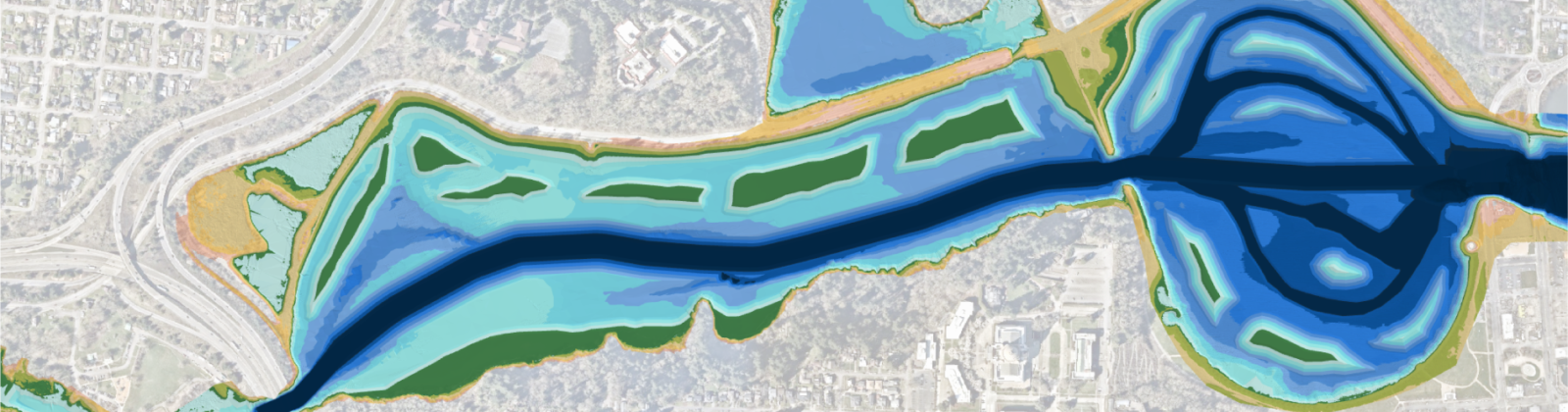
What is an Estuary? An estuary is where a river meets the sea. The Deschutes River flows 57 miles from the Gifford Pinchot/Snoqualmie National Forest into Budd Inlet of South Puget Sound.